
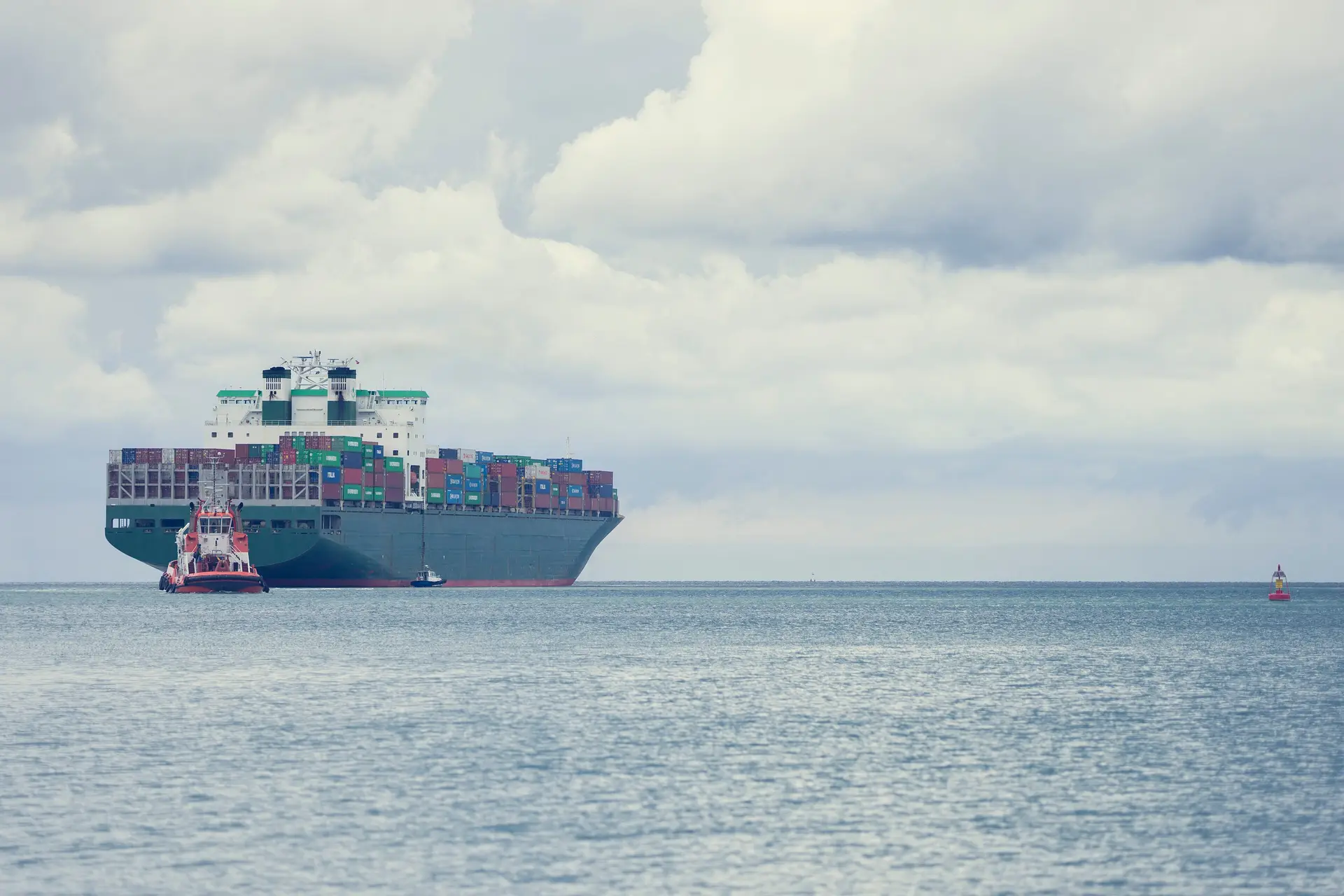
Sea Freight Shipping for Full and Shared Containers
Ocean freight is the most economical way to move larger volumes over long distances. We handle the booking, the documents and the coordination at the ports so your containers keep moving.
About sea freight
Sea freight forwarding covers everything needed to get cargo onto a vessel and off again at the other end: booking container space with an ocean carrier, arranging the container, preparing the bill of lading and coordinating with the ports.
If you have enough cargo to fill a container you can book a full container load (FCL). If not, less-than-container load (LCL) lets you pay only for the space you use, sharing the container with other shippers.
Who it's best for
- Importers and exporters moving regular, larger volumes
- Heavy or bulky goods where air freight is too expensive
- Shipments with flexible delivery dates
- Businesses replenishing stock on a predictable schedule
Practical details
Choosing a container
Standard 20 ft and 40 ft containers suit most cargo; high-cube, refrigerated, open-top and flat-rack units exist for special loads. If you're not sure, tell us about the cargo and we'll suggest an option.
FCL or LCL
As a rough rule, LCL can make sense for smaller volumes and FCL for larger ones. We'll compare both when it's close.
Port and terminal charges
Ocean quotes have several parts: the ocean freight, origin and destination terminal charges, and any trucking. We'll show what's included so there are fewer surprises.
Free time and demurrage
Carriers allow a limited number of days to pick up and return containers. We'll flag the free time on your booking so you can plan unloading.
How it works
- 1
Tell us about the cargo
Share the origin, destination, cargo description, and the container type or volume you expect.
- 2
Compare options
We quote FCL or LCL options and explain the charges at each end.
- 3
Book and document
We book the vessel space, arrange the container and prepare the bill of lading with you.
- 4
Sail, clear and deliver
We follow the shipment through departure, arrival, clearance and final delivery.
Sea freight questions
What's the difference between FCL and LCL?
FCL means you book a whole container for your cargo. LCL means your cargo shares a container with other shipments and you pay for the space you use.Which container size do I need?
It depends on the volume, weight and type of cargo. Share the pallet count or dimensions in your quote request and we'll recommend a size, or choose 'Not sure' on the form.What is demurrage?
Demurrage and detention are charges a carrier or terminal applies when a container is kept longer than the free time allowed. Planning pickup and unloading early helps avoid them.
Request a quote for sea freight
Tell us what you're shipping and where it's going. We'll come back with options and a quote.